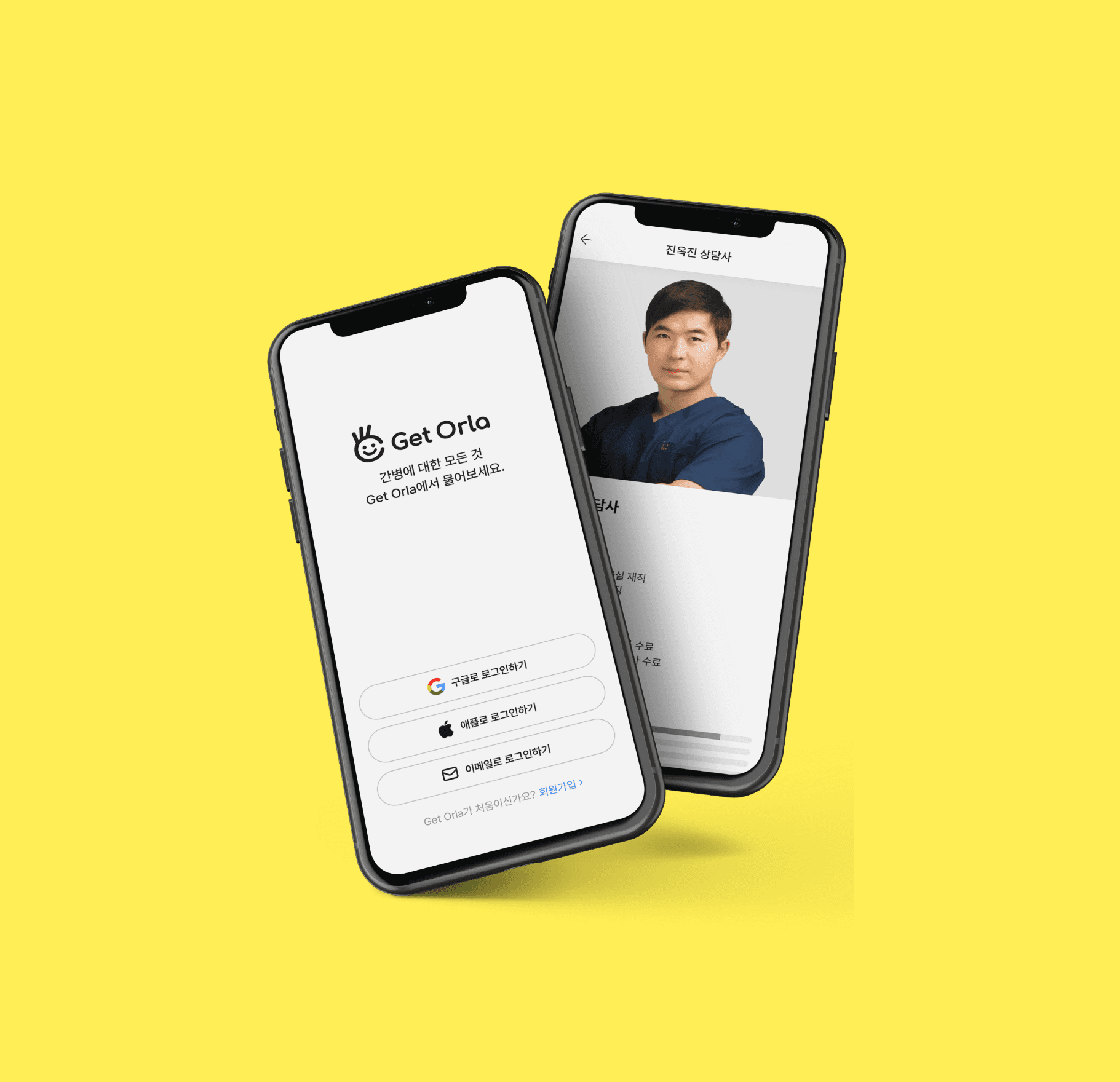
[Case 01]
Enhancing Medication Adherence Through AI-Driven Care
AI Health / Conversational System
Transforming Conversations into Continuous Care
An end-to-end AI consultation system that converts conversations into structured, reusable context - enabling seamless session continuity for both users and consultants
[Project Overview]
Patients were required to repeatedly explain their condition across consultations, leading to fragmented care and missed critical context.
I designed an AI-powered system that transforms conversations into structured medical data - enabling continuity across sessions, reducing redundant communication, and supporting more informed clinical decisions.
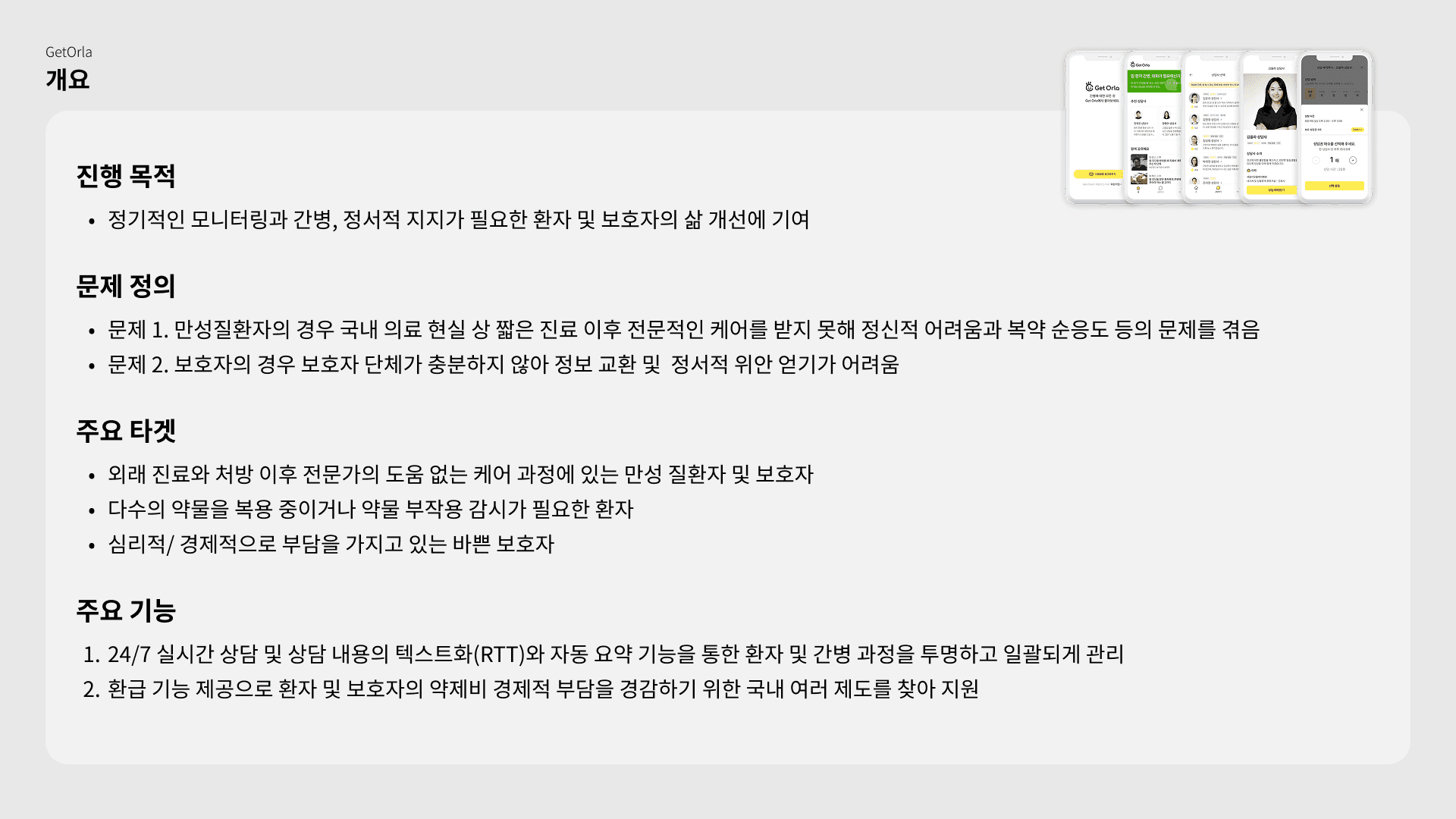
[Problem Statement]
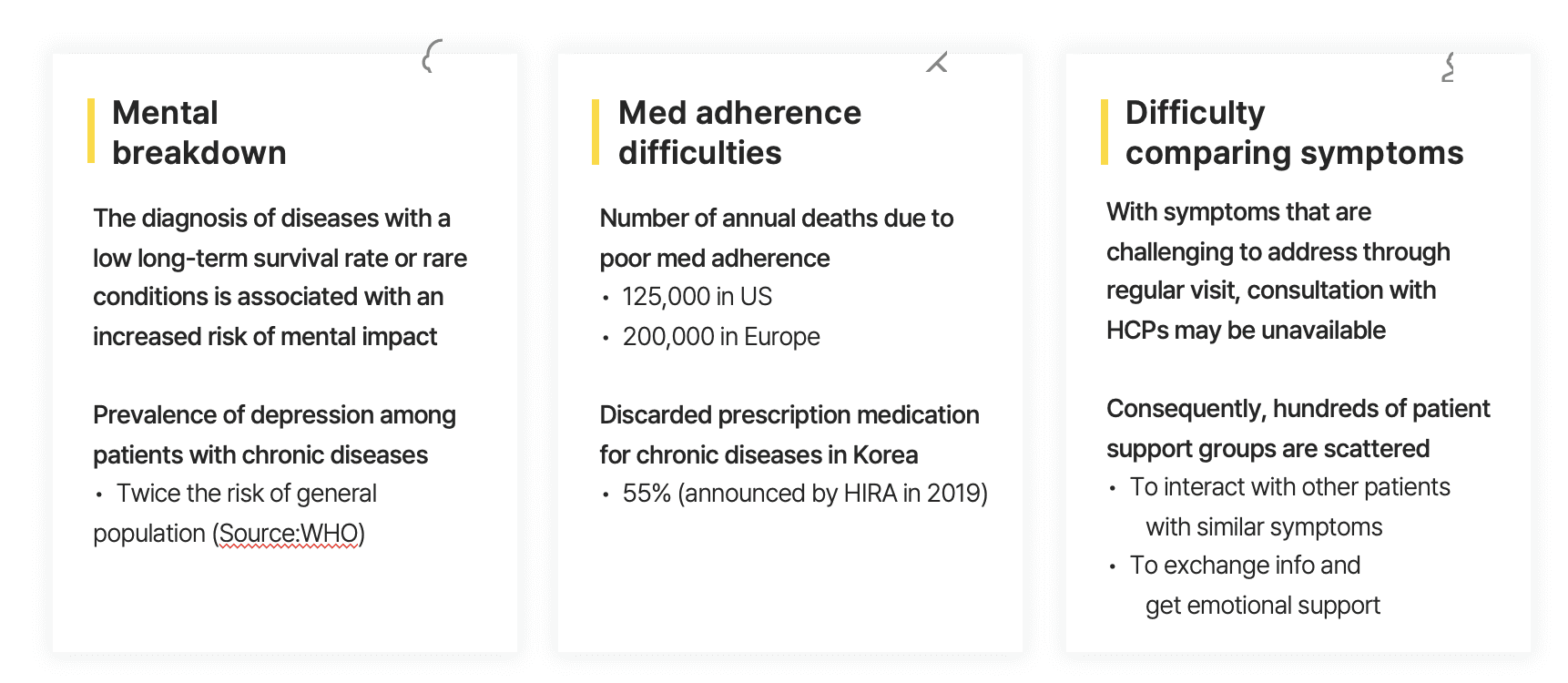
The healthcare system struggled with low medication adherence rates driven by fragmented communication, lack of continuous monitoring, and limited consultation time.
Patients often failed to share critical context, while clinicians lacked visibility into patient behavior between visits - resulting in treatment drop-offs and preventable complications.
[Persona]

Rose Kim
Chronic Disease Patient (Hypertension)
I often forget details or don’t know what to share during short consultations.
I just want someone to understand my situation without repeating everything.
Age: 67
Location: Seoul, South Korea
Tech Proficiency: Low-Moderate
Gender: Female
[Goal]
Manage medication without confusion
Communicate symptoms effectively
Receive timely, personalized care
[Frustrations]
Short consultation time limits communication
Anxiety from unclear side effects
Lack of follow-up between visits
[Process]
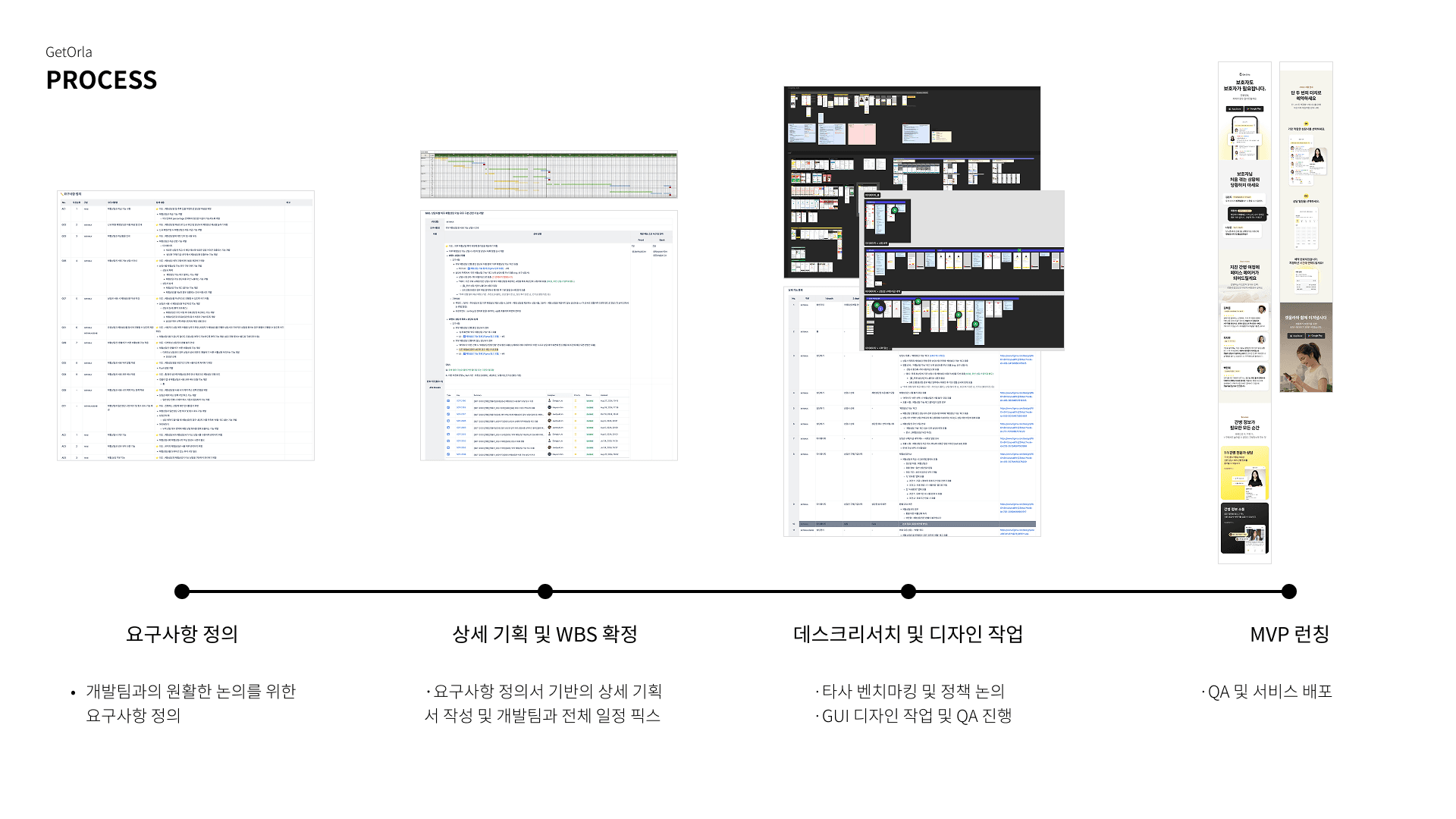
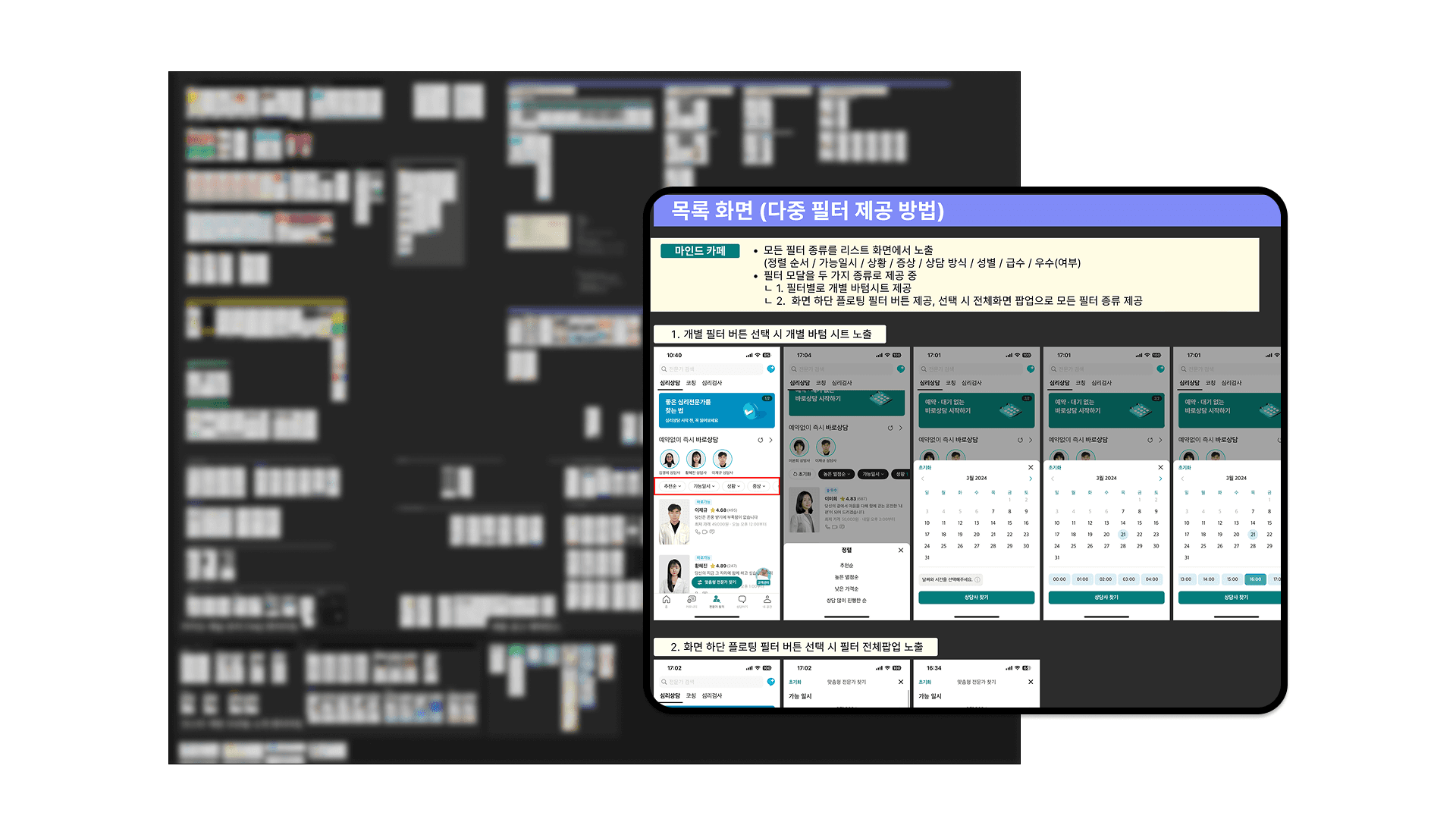
[01] User Research
Conducted research across patients, caregivers, and clinicians to identify behavioral and systemic causes of low adherence.
Analyzed healthcare workflows and communication gaps beyond clinical settings.
[02] Insights
Medication adherence is not a reminder problem - it is a context and communication problem.
Patients drop off not because they forget, but because: - They don’t understand side effects - They lack continuous support - Their context is lost between sessions
[03 Design Solution]
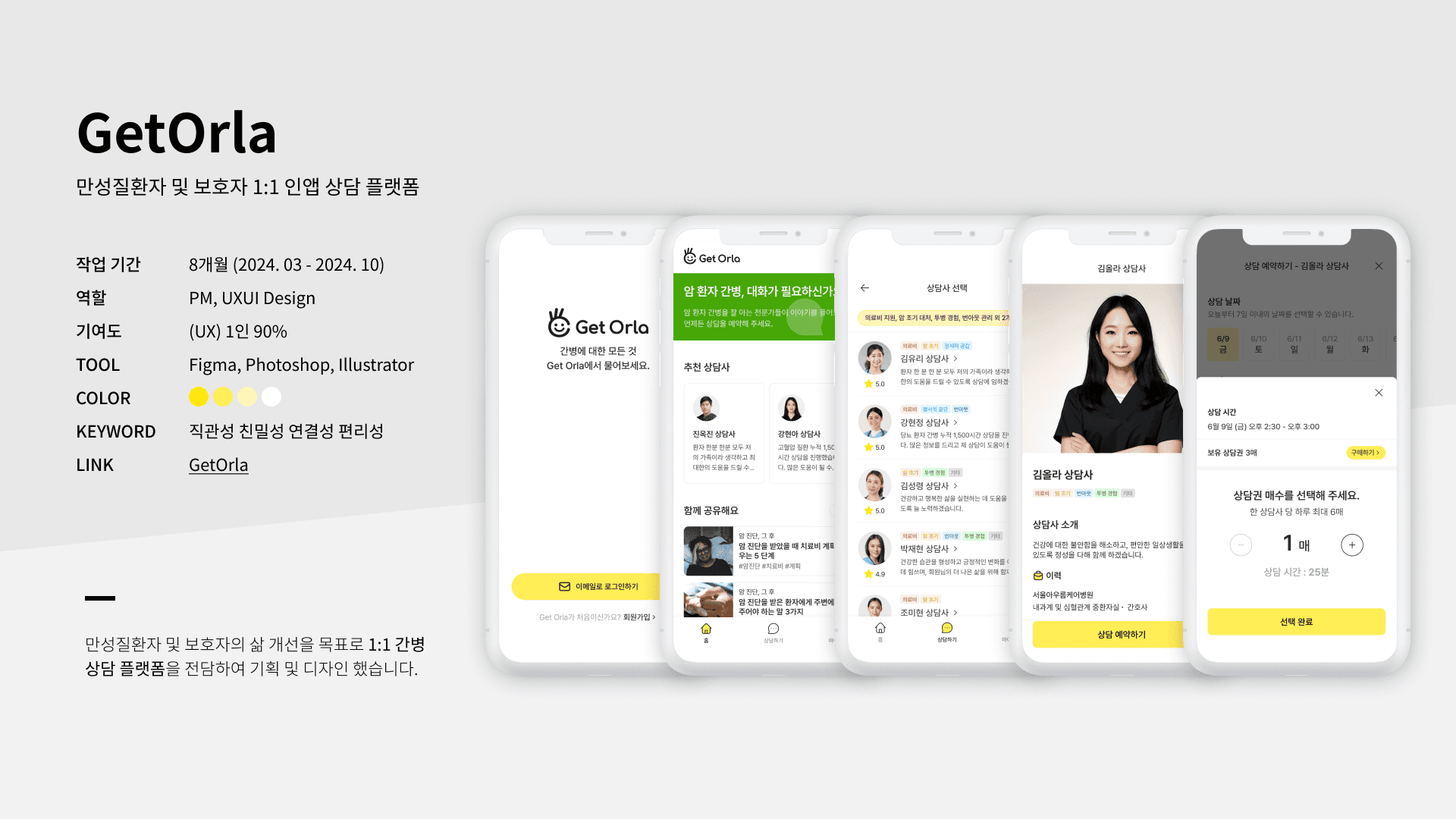
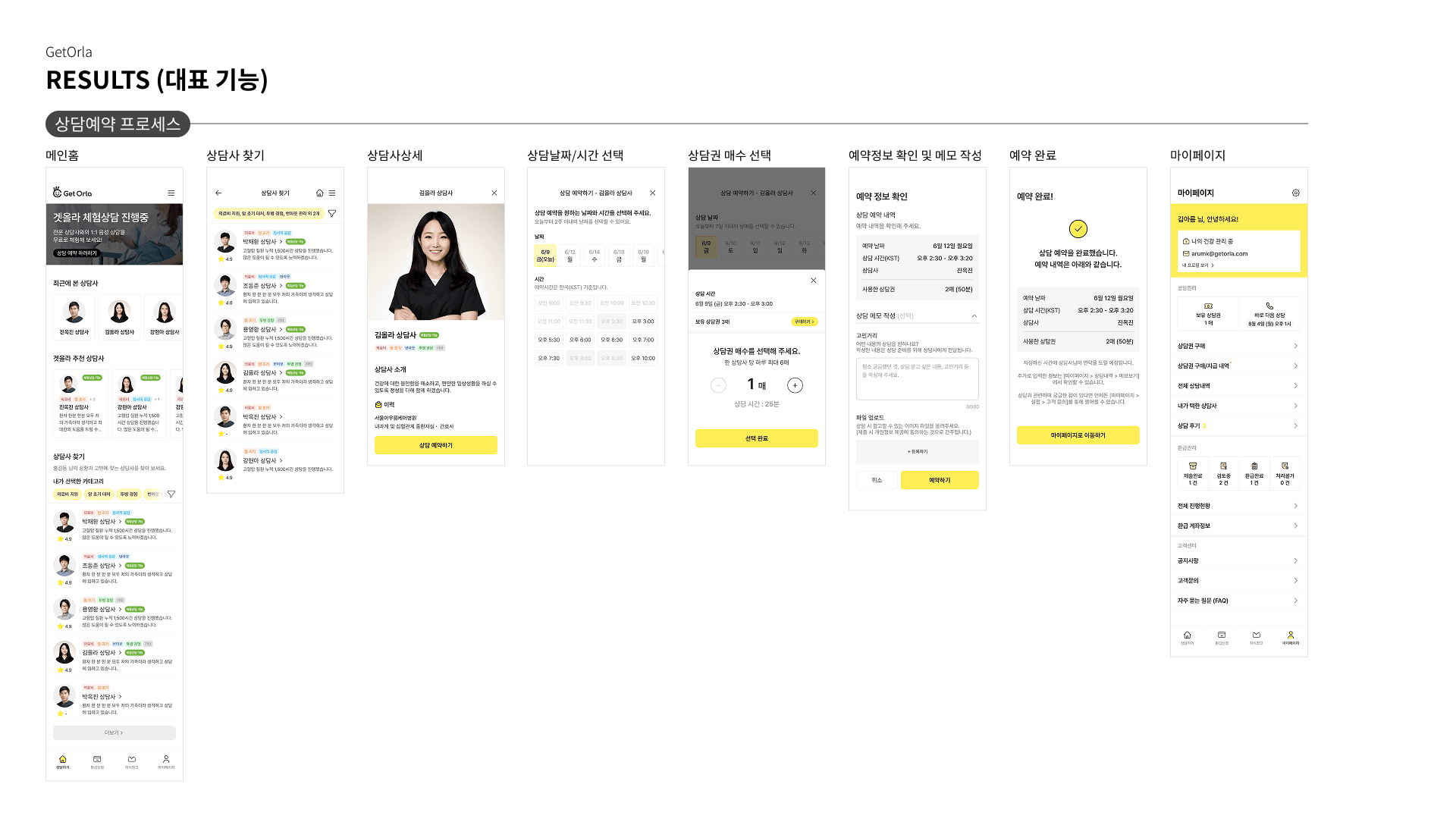
Designed an AI-powered system that: - Converts voice consultations → structured medical data - Automatically summarizes key insights - Tracks patient behavior between visits Enables continuity across different consultants - Matches patients with optimal consultants based on communication style
[04] Testing & Iteration
Validated the system through iterative testing with real users and healthcare professionals.
Refined AI models and UX flows based on behavioral data and consultation patterns.
Optimized for low-tech users with simplified interaction flows (SMS & chatbot-based).
[Outcome]
+32% increase in treatment adherence rate
+45% reduction in repeated patient input
+2x increase in patient coverage per nurse
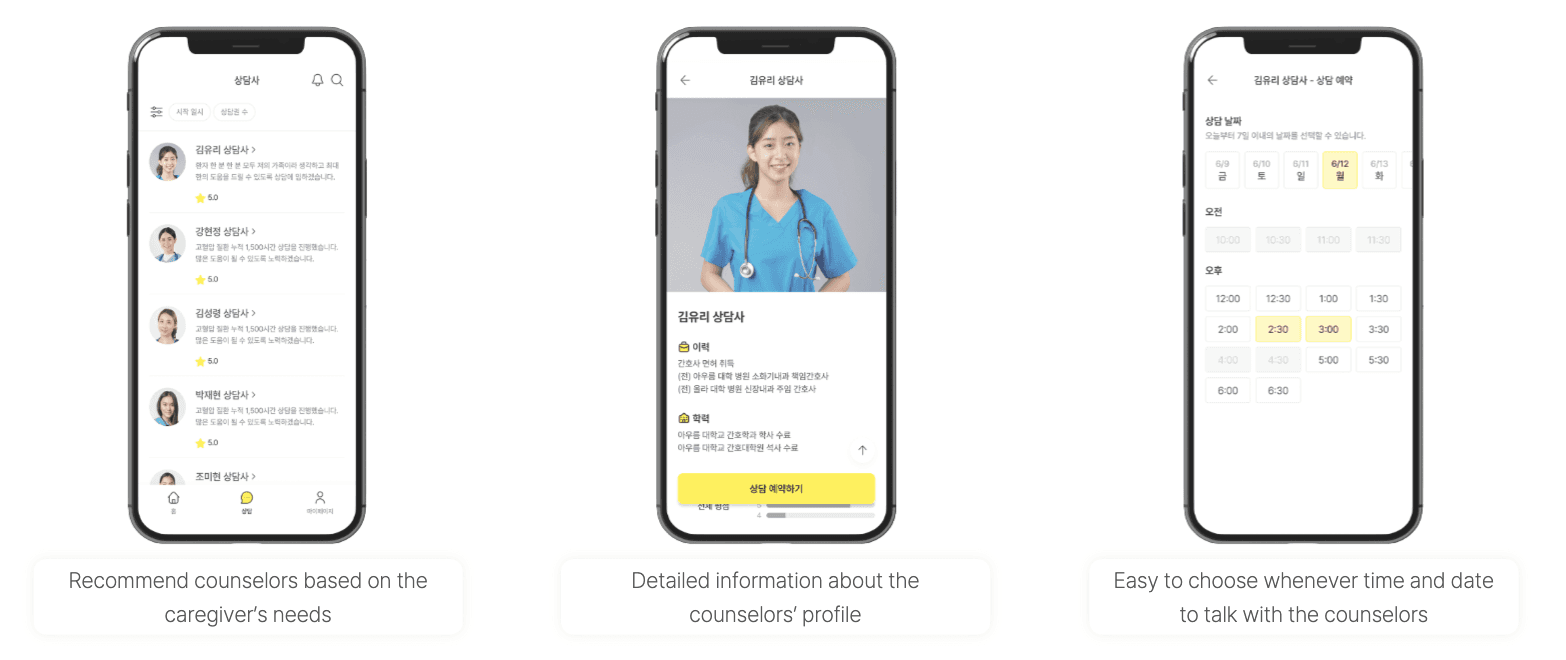
Caregiver Counseling
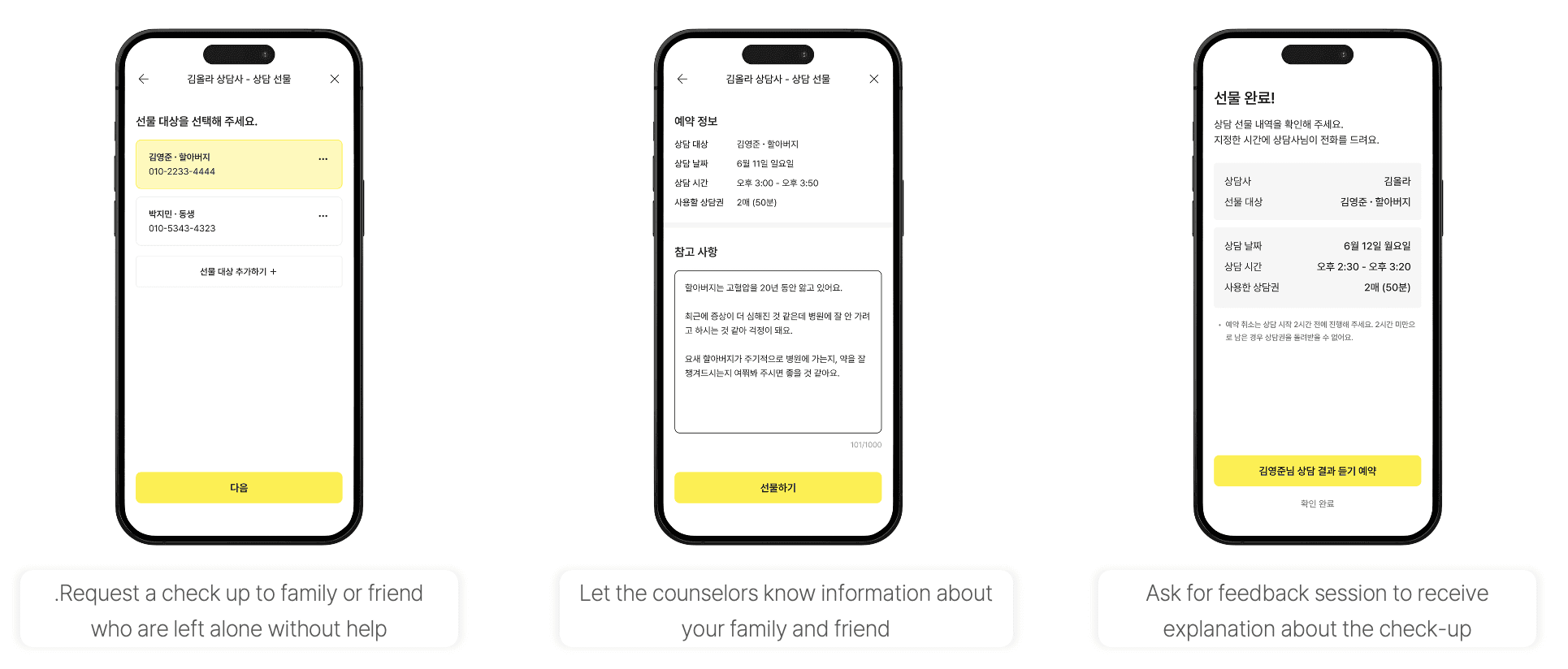
Counseling Gift
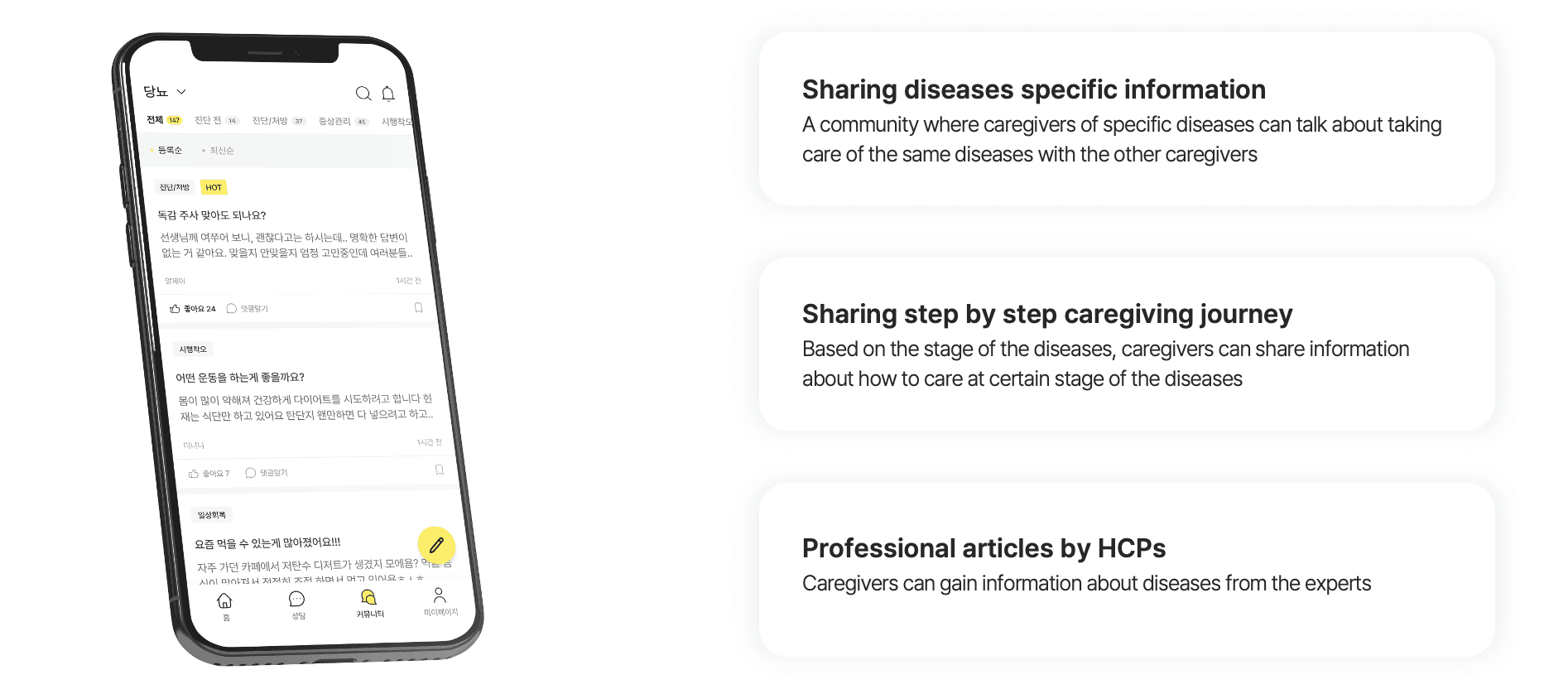
Global Community
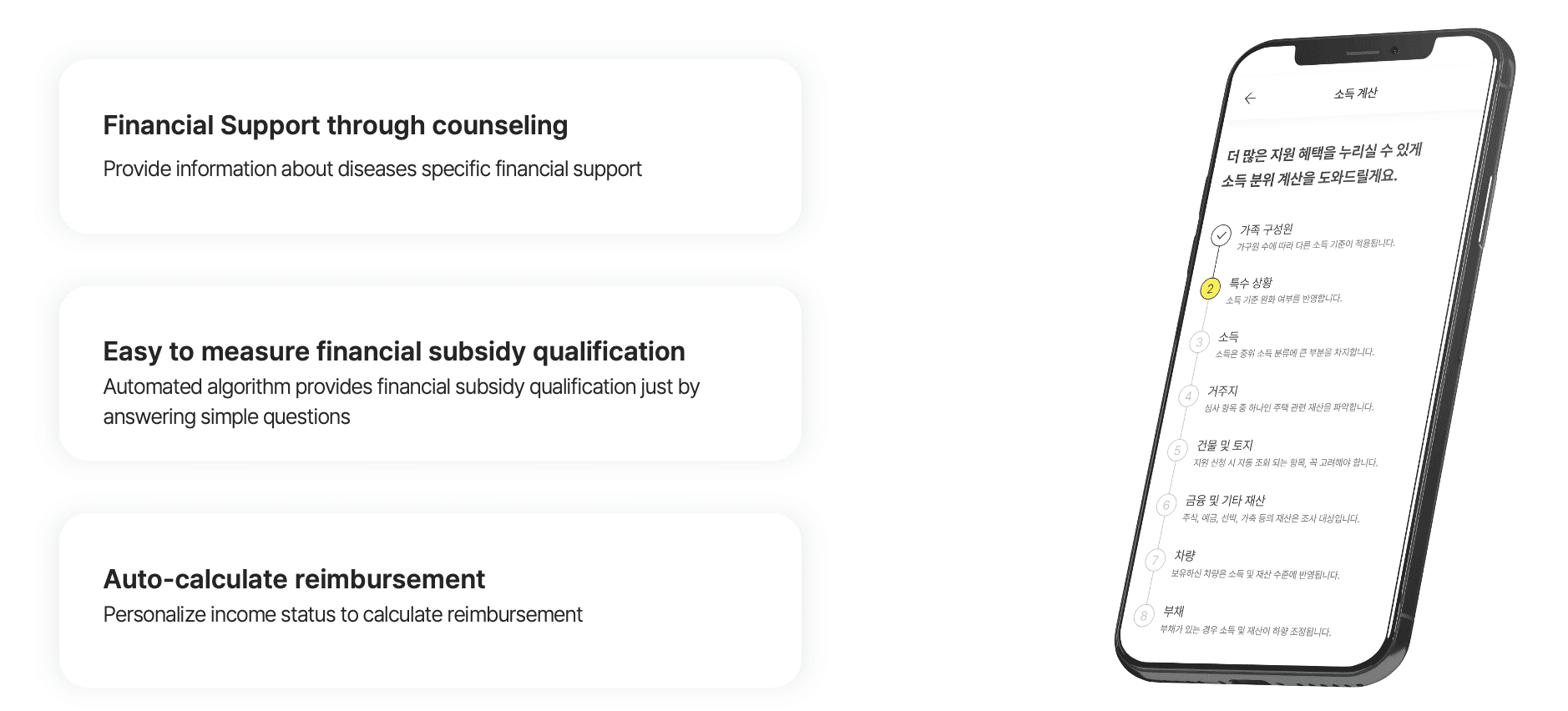
Reimbursment Support
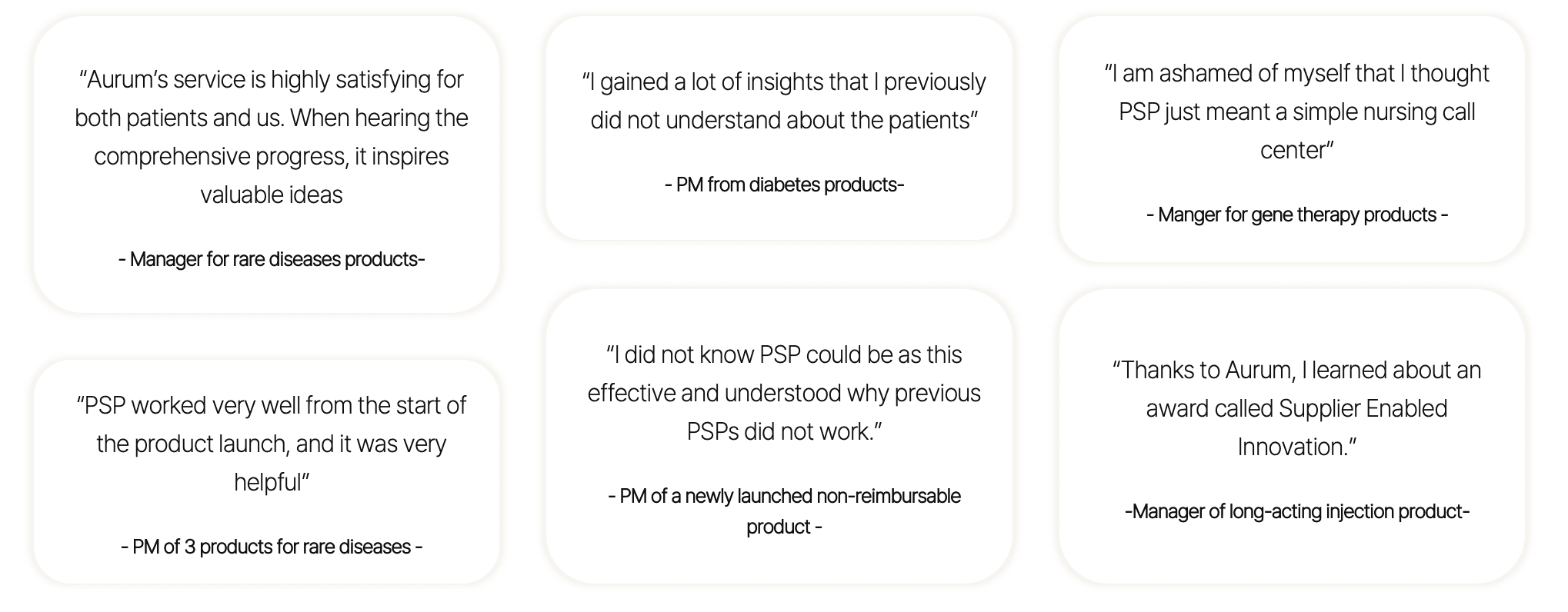
Many positive testimonials have been observed from pharma company representatives regarding business impact in various disease and product areas.
[Key Learnings]
Continuity is the core of healthcare UX
Single interactions don’t solve long-term conditions.
Personalization builds trust—and trust drives outcomes
Matching communication style significantly impacts engagement.